Electric Wax Warmer FAQs: Bulbs, Running Costs & Safety
Last updated: 12 October 2026 by Alexandra and Scott Watson, Independent Scentsy Consultants since April 2011.

Electric wax warmers are the heart of the Scentsy fragrance system. This Electric Wax Warmer FAQs answers the practical questions about bulbs, running costs, safety and choosing the right warmer for your home. Written by Alexandra Watson of Wickfree Candles, Independent Scentsy Consultant since April 2011.
Frequently Asked Questions
What is an electric wax warmer?
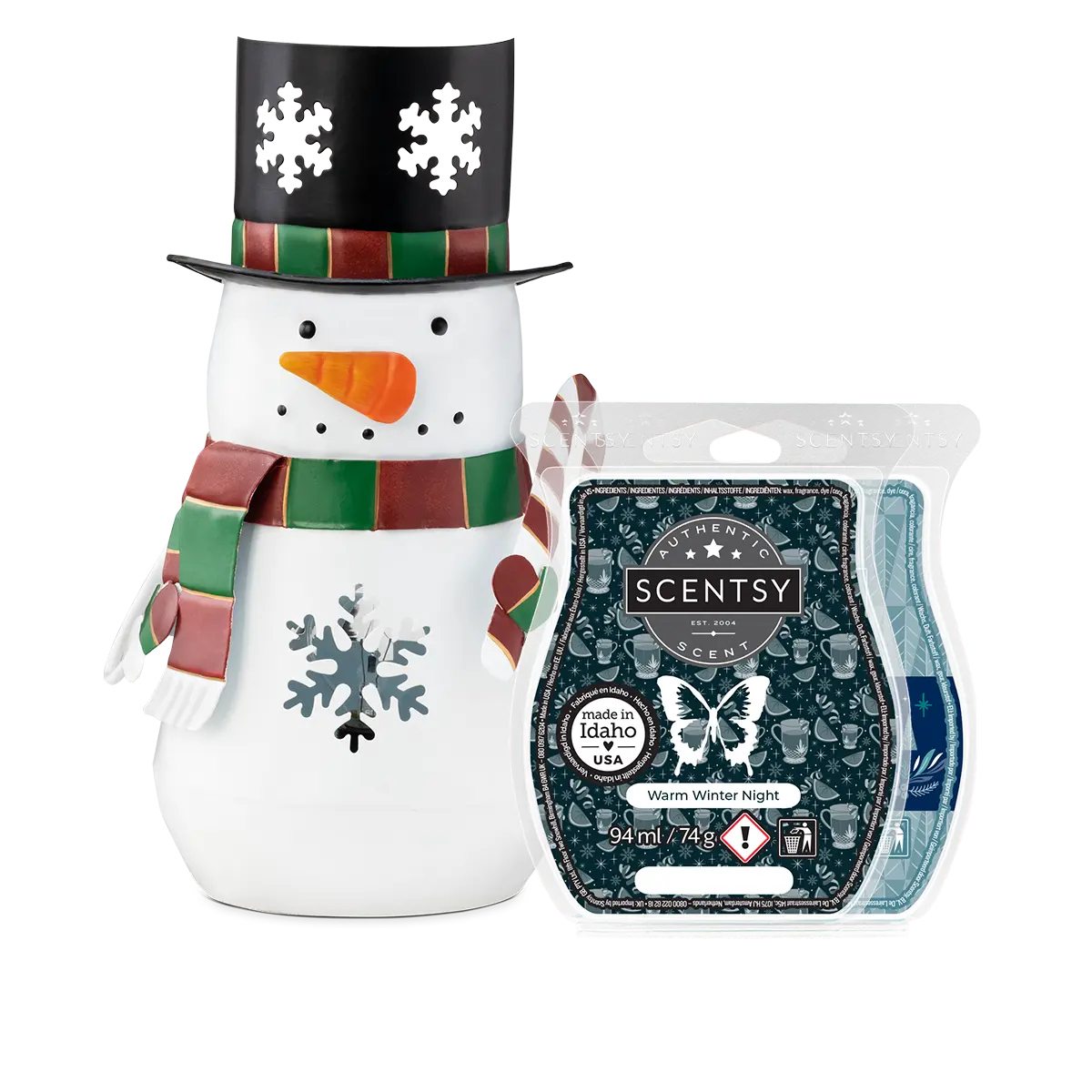
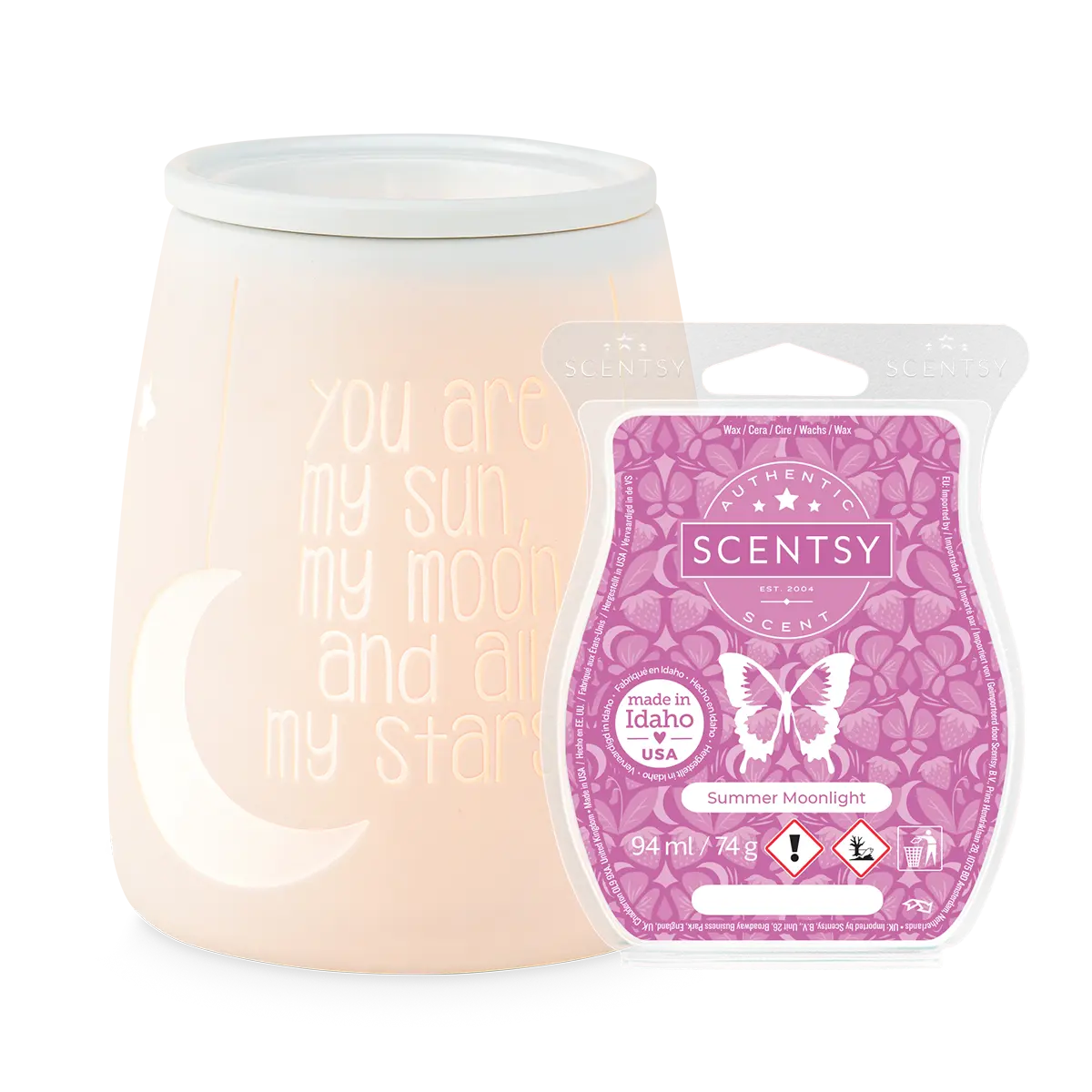
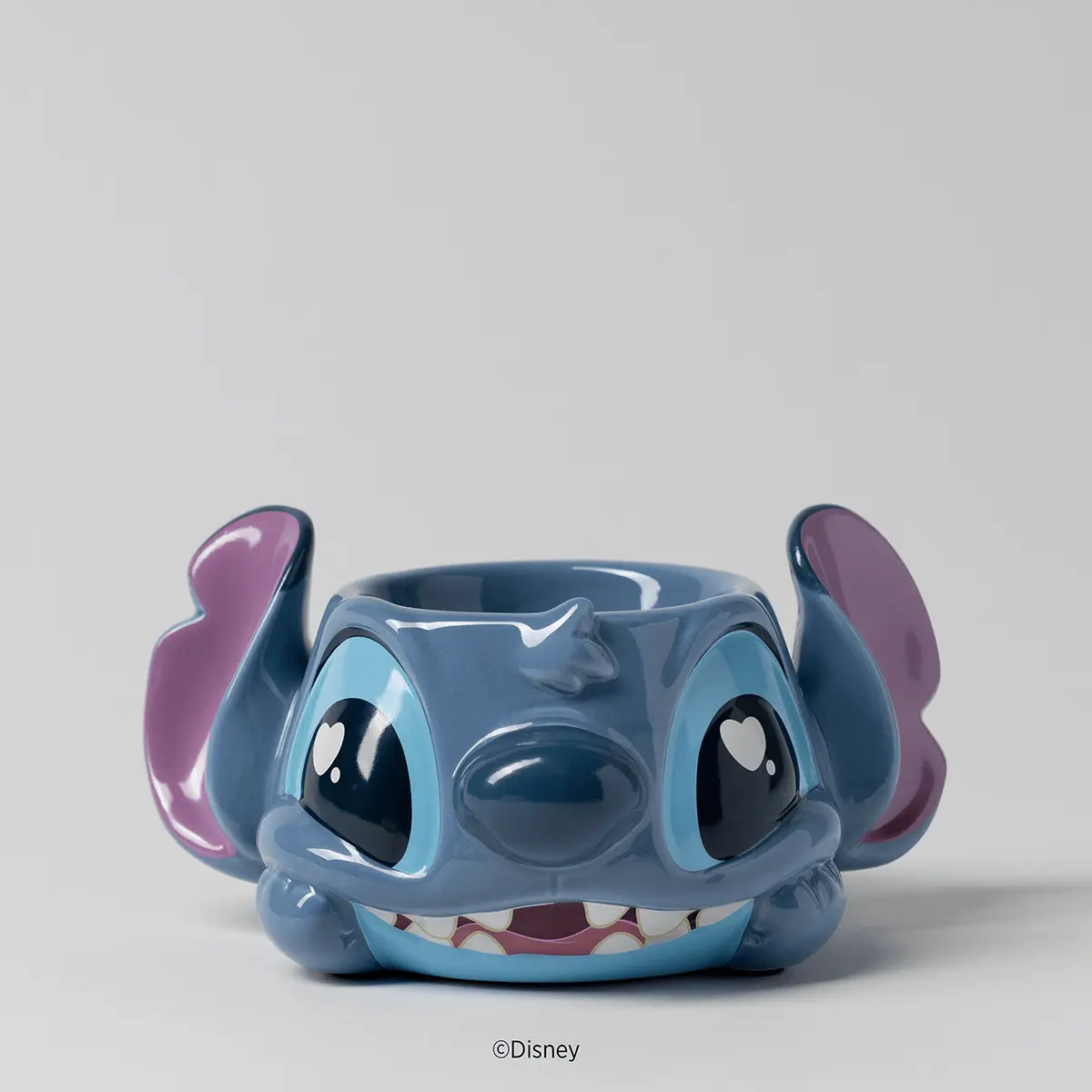
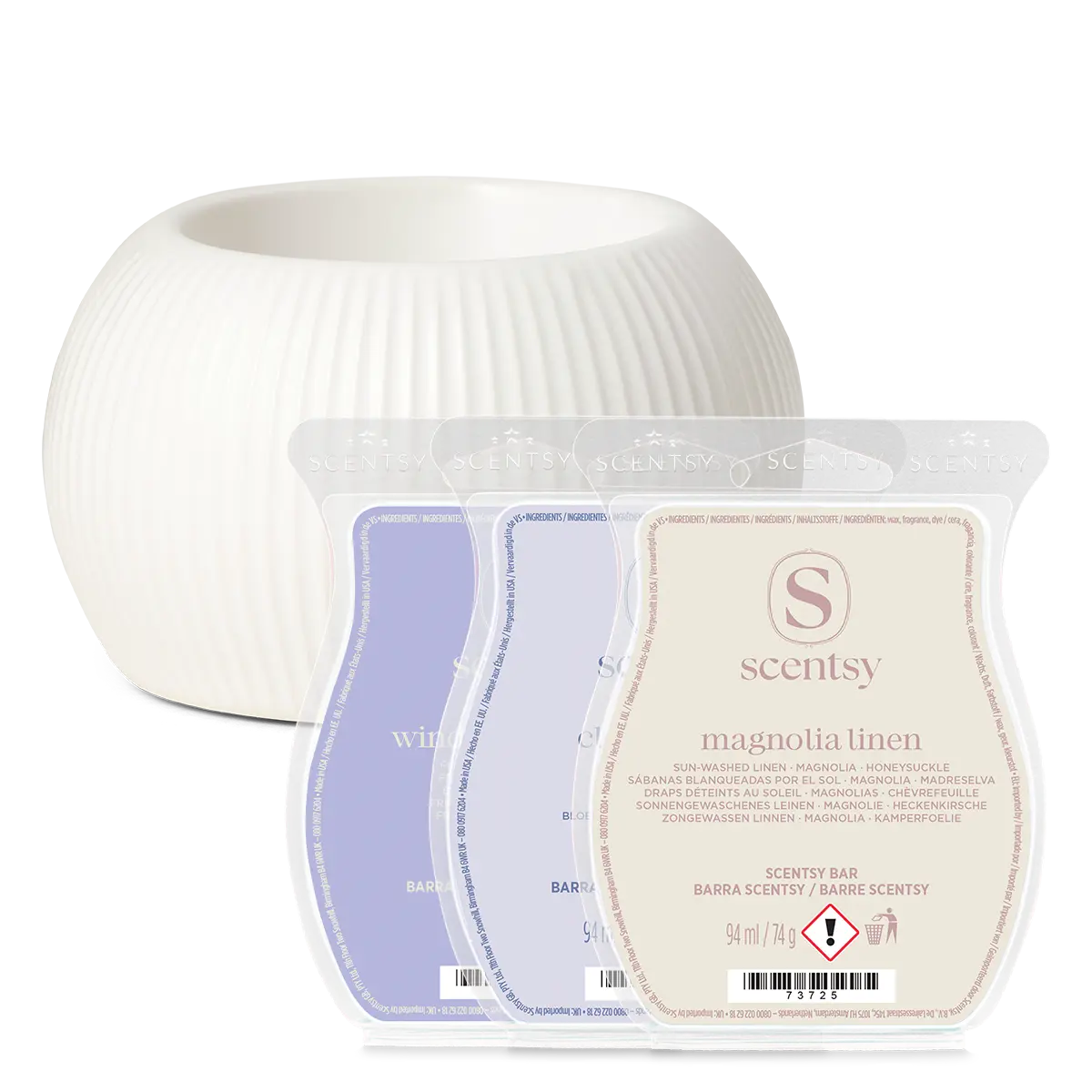
An electric wax warmer is a device that melts scented wax melts using a low-watt light bulb or a built-in heating element, releasing fragrance without a flame. Warmers plug into a normal socket and come in full-size, mini plug-in and tabletop designs.
How much electricity does a wax warmer use?
Very little. A full-size warmer uses a 25-watt bulb or element at most, a fraction of the power of a kettle or toaster. Running a 25-watt warmer for 8 hours uses around 0.2 kWh, so the running cost is a matter of pence per day.
Can you leave a wax warmer on all day?
Yes, a wax warmer can be left on for as long as you like, since there is no flame and no fire risk, much like leaving a lamp switched on. As with any electrical appliance, it is still sensible to switch it off if you are leaving the house for an extended period.
What size bulb does my Scentsy warmer need?
Scentsy warmers take 15-watt, 20-watt, or 25-watt bulbs depending on the model. Mini warmers typically use 15-watt bulbs, most mid-size warmers use 20-watt bulbs, and most full-size warmers use 25-watt bulbs. Our Scentsy bulbs and accessories shop lists the correct bulb for every model.
Do element warmers need a bulb?
No, element warmers melt wax using a hidden heating plate instead of a light bulb, so they do not glow and give off no light. This suits bedrooms or anywhere you want fragrance without illumination. Bulb warmers and element warmers give the same fragrance performance.
Why has my wax warmer stopped melting the wax?
The most common cause is a blown bulb or element, which is a simple, inexpensive fix. Check the bulb is seated correctly and try a replacement of the correct wattage for your model before assuming there is a fault with the warmer itself.
Can a wax warmer catch fire?
Wax warmers are designed with low-watt bulbs or elements specifically because the wax has a low melting point, so there is no flame and fire risk is extremely low compared to a burning candle. For more on pet and child safety, see our wax melts safety FAQs. As with any electrical item, use on a stable surface, keep the cord tidy, and do not cover the warmer while it is switched on.
How do you clean the outside of a wax warmer?
Unplug the warmer and allow it to cool fully before cleaning. Wipe the outside with a soft, slightly damp cloth, avoiding the electrical fitting, then dry thoroughly before plugging back in. Avoid submerging any part of the warmer in water.
What is the difference between a full-size and mini warmer?
Full-size warmers use a 20- or 25-watt bulb or element and suit larger rooms, while mini and plug-in warmers use a 15-watt bulb and suit smaller spaces like bathrooms and hallways. Both use the same wax melts, so the main difference is the size of the room they are best suited to.
Do wax warmers work with any brand of wax?
Scentsy warmers are designed and tested specifically for Scentsy wax melts, which are formulated for a particular melting point and scent load. We always recommend using genuine Scentsy wax melts in a genuine Scentsy warmer to experience the fragrance it is designed to deliver.
Related Questions
- Wax Melts FAQs: How Long They Last and How to Use Them
- Are Wax Melts Safe? Pets, Children and Toxicity FAQs
See our full Scentsy FAQs hub for more answers, or shop our official Scentsy store.
Ready to shop? See where to buy Scentsy in the UK and Ireland for delivery costs, discounts and how ordering through us works. Compare every model on our electric wax warmers UK page.